

Climate change, fueled by the release of greenhouse gases, is one of the most pressing issues of our time. Carbon sequestration, the process of capturing and storing carbon dioxide from the atmosphere, has emerged as a critical tool in combating this global challenge. This article delves into the science behind greenhouse gases, the environmental implications of carbon sequestration, and the multifaceted strategies needed to address the impacts of climate change. By combining emission reduction, carbon sequestration, adaptation, education, policy, and international cooperation, we can work towards a sustainable and resilient future for our planet.
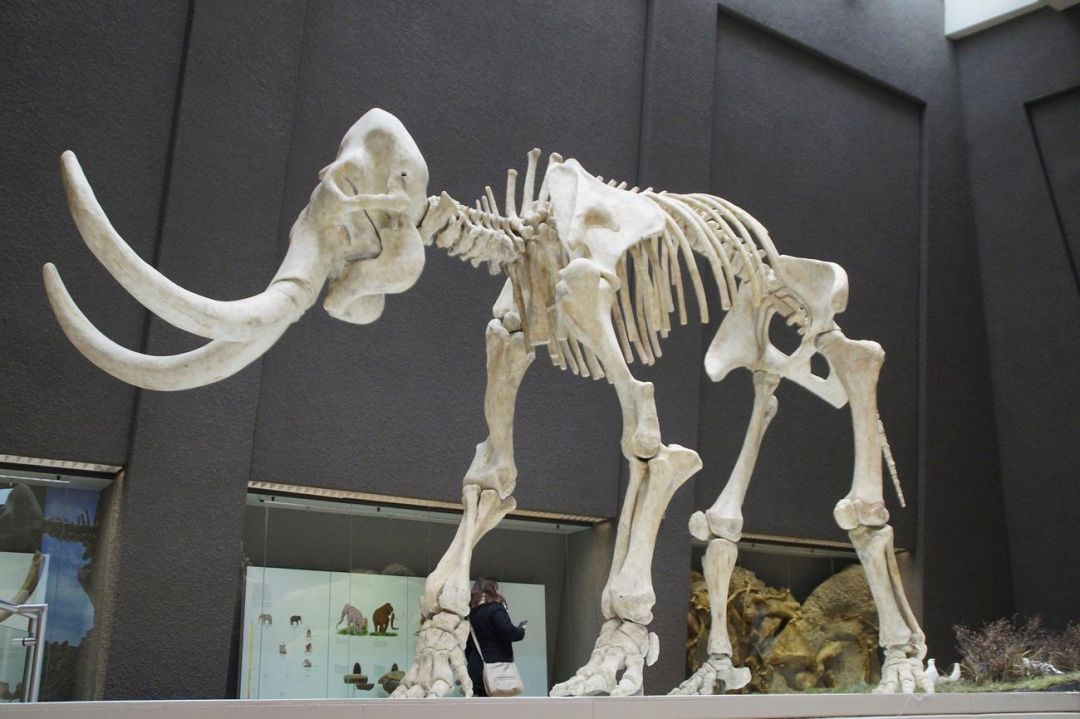
The Mammoth Comeback: Reviving Extinct Species and Restoring Biodiversity
To reverse extinction, scientists, conservationists, and policymakers are using approaches such as de-extinction, reintroduction, and captive breeding. De-extinction involves using genetic engineering to bring back extinct species, with projects like the woolly mammoth and the passenger pigeon being pursued. Reintroduction and captive breeding are also effective approaches, with the California condor and the black-footed ferret being saved from extinction. However, it's essential to consider potential risks and drawbacks of de-extinction, such as the inability of de-extinct species to adapt to current environmental conditions. While bringing back extinct species could mitigate the impact of climate change, it is vital to recognize that comprehensive efforts such as reducing greenhouse gas emissions are still necessary.
 Danny Theriault