

Every day, we make choices that impact the environment. From the products we buy to the way we dispose of our waste, our actions have a significant impact on the world around us. As we become more aware of the impact that human activity has on the environment, more people are turning to eco-friendly products as a way to reduce their environmental footprint. Eco-friendly products are those that are designed to minimize the negative impact on the environment, whether that be through reducing waste, conserving resources, or reducing pollution. In this article, we will explore the benefits of using eco-friendly products, such as reusable bags and containers, and how they can help reduce waste. By making small changes to our daily habits, we can all make a positive impact on the environment and help create a more sustainable future.

Fast-Growing and Eco-Friendly: The Versatility of Bamboo
Bamboo is one of the most sustainable and eco-friendly resources available today. Its rapid growth rate and ability to regenerate quickly make it a highly renewable crop that requires minimal resources to cultivate. This fast-growing plant has become increasingly popular in recent years as a replacement for plastic products that are harmful to the environment. From utensils to clothing to construction materials, bamboo has a wide variety of applications that make it an excellent choice for those seeking to reduce their carbon footprint and live a more sustainable lifestyle. In this article, we will explore the benefits of bamboo and how it can be used to replace plastic products. We will also discuss how bamboo can have a positive impact on climate change and contribute to a more sustainable future for generations to come.
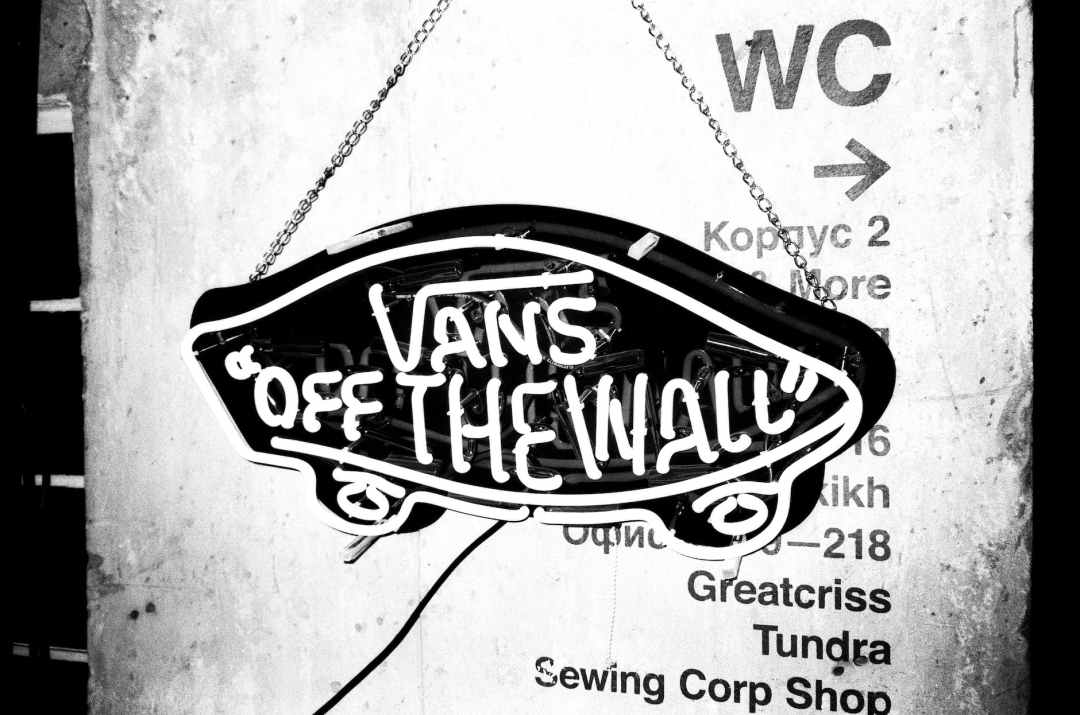
Beyond Skateboarding: How Vans is Making a Difference for the Environment
Vans, the well-known skateboarding shoe and apparel brand, has been making significant efforts towards sustainability for over a decade. The company launched the Vans' Environmental Responsibility Program (ERP) in 2011, which aimed to reduce waste and energy consumption across its global operations. Since then, Vans has implemented various measures to become more sustainable, including using eco-friendly materials in its products, reducing energy consumption, reducing waste, conserving water, and using sustainable packaging. The company has set ambitious sustainability targets, such as transitioning to 100% renewable energy by 2025 and achieving zero waste to landfill across its operations by 2030. With its commitment to sustainability, Vans is leading the way in sustainable fashion and demonstrating that sustainability is not only good for the environment but also good for business. I'd say that's pretty... Off The Wall.
 Danny Theriault